Cart
0
You may also like


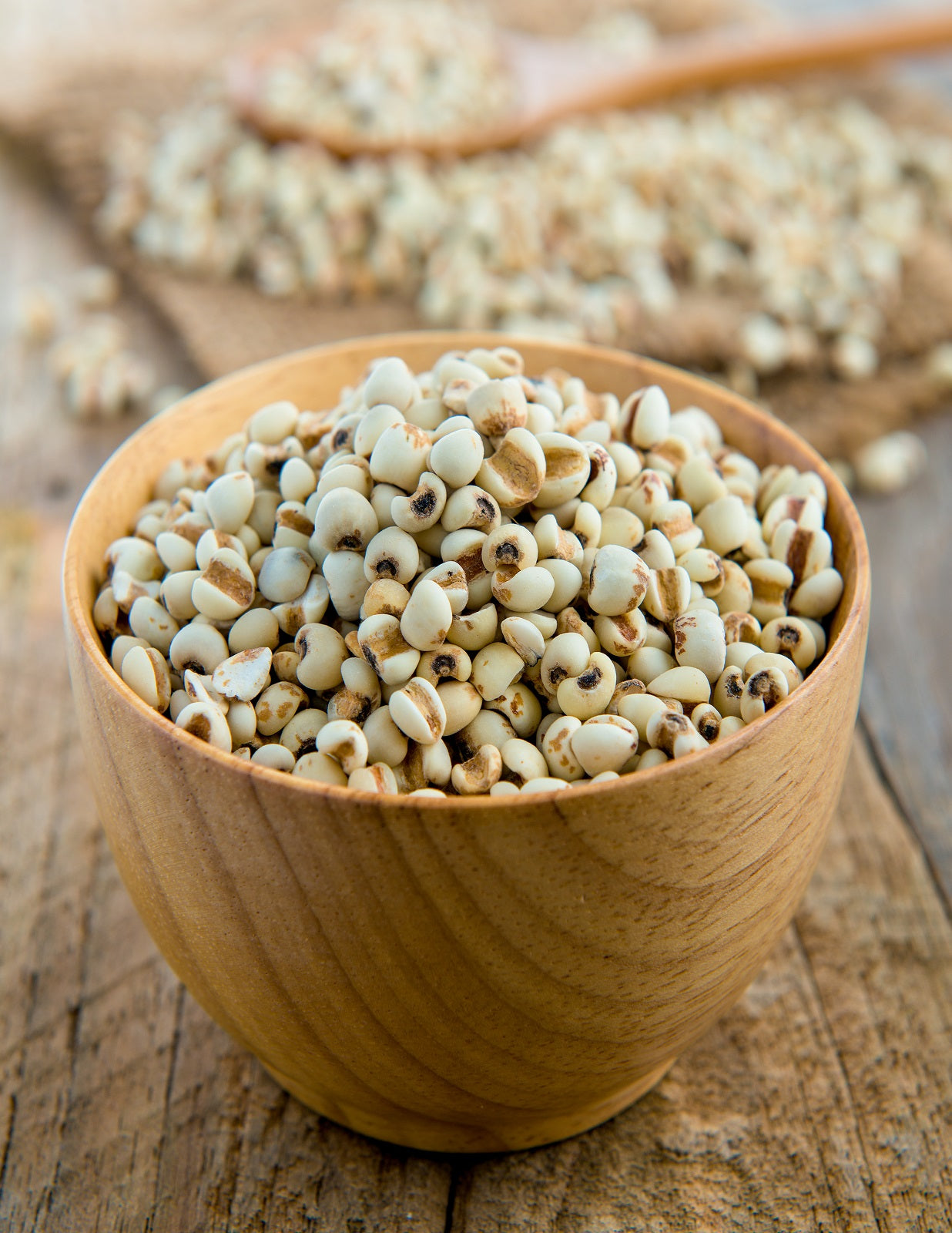
If you’ve been hearing the word “jowar” pop up everywhere lately, you’re not imagining it. This ancient grain - also known as sorghum - has been a staple of Indian kitchens for thousands of years, and nutrition experts are now calling it one of the most powerful superfoods of our time.
But what exactly is jowar, and why is everyone suddenly talking about it? Let’s break it down.
Jowar (Sorghum bicolor) is a cereal grain that has been cultivated in India for over 5,000 years. It’s commonly grown in Maharashtra, Karnataka, Rajasthan, and Andhra Pradesh. Traditionally used to make rotis (bhakri), jowar is naturally gluten-free, high in fibre, and packed with essential nutrients.
Unlike wheat or maida, jowar is a whole grain that retains its bran and germ - meaning you get the full nutritional benefit with every bite.
Jowar contains zero gluten, making it an excellent alternative for people with gluten sensitivity or those simply looking to reduce refined flour from their diet. It’s a fantastic swap for maida in snacks, baked goods, and everyday cooking.
One serving of jowar provides significantly more fibre than wheat. Dietary fibre supports healthy digestion, prevents constipation, and keeps you feeling satisfied for longer - which is great for weight management.
Jowar is loaded with antioxidants like tannins, phenolic acids, and anthocyanins. These compounds help fight inflammation, protect cells from oxidative stress, and may reduce the risk of chronic diseases.
With a low glycaemic index (GI), jowar causes a slower and more gradual rise in blood sugar compared to refined grains. This makes it a smart choice for people managing diabetes or simply trying to maintain steady energy levels throughout the day.
Jowar is a surprisingly good source of plant-based protein and iron - essential nutrients that support muscle growth, immunity, and energy production. For vegetarians and vegans, jowar is a valuable addition to a balanced diet.
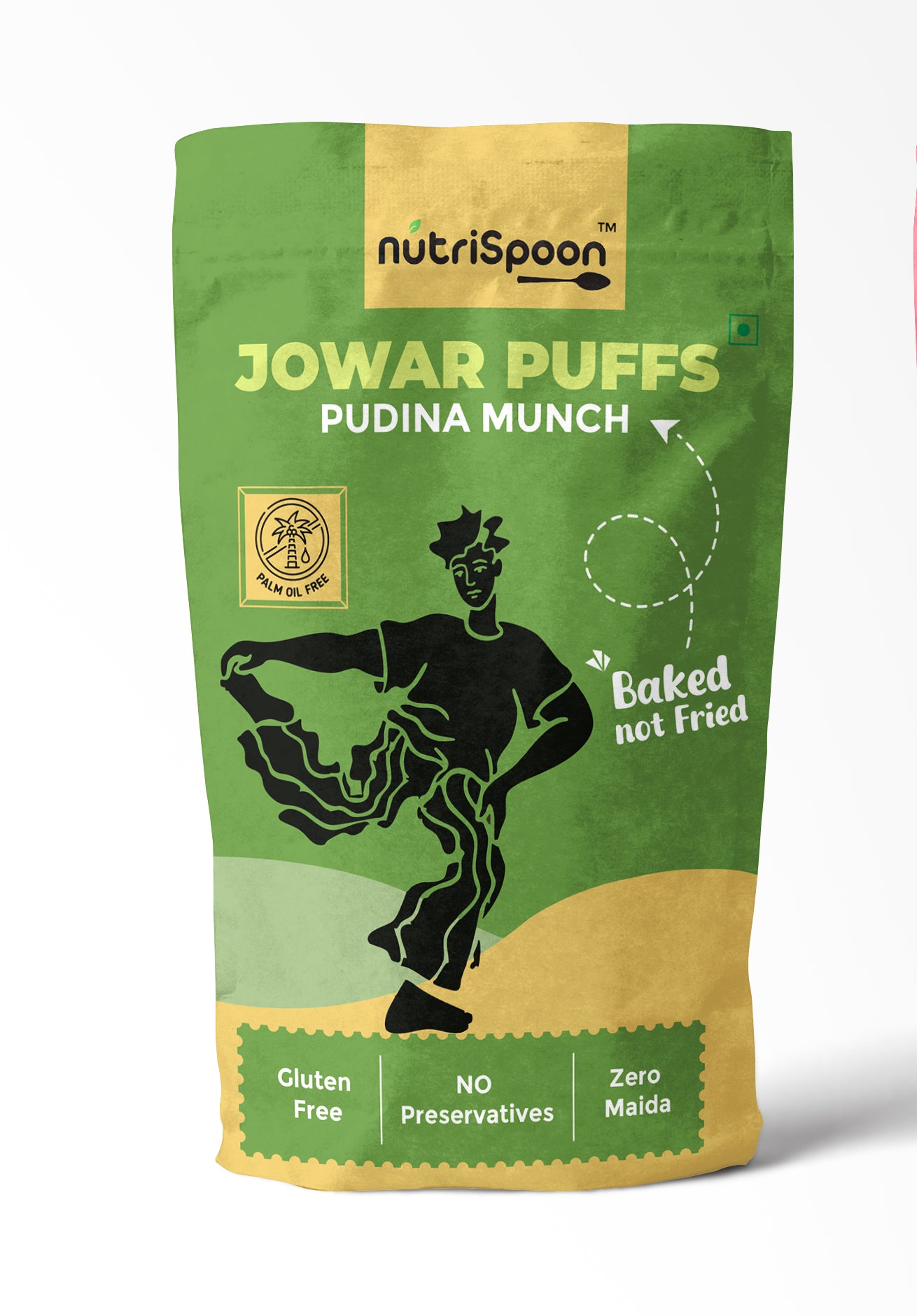
The easiest and most delicious way to enjoy jowar is through snacks and ready-to-eat products that taste great without any extra effort:
While both are nutritious grains, jowar has some clear advantages:
That said, variety is key — the best diet includes multiple whole grains rather than relying on just one.
Jowar is not just a trend - it’s a nutritional powerhouse that deserves a permanent place in your pantry. Whether you’re snacking on jowar puffs or cooking jowar rotis at home, you’re making a choice that’s good for your body, your family, and the planet.
At Nutrispoon, we’ve built our snack range around the power of jowar and other millets - because we believe healthy food should never mean boring food.