Cart
0
You may also like


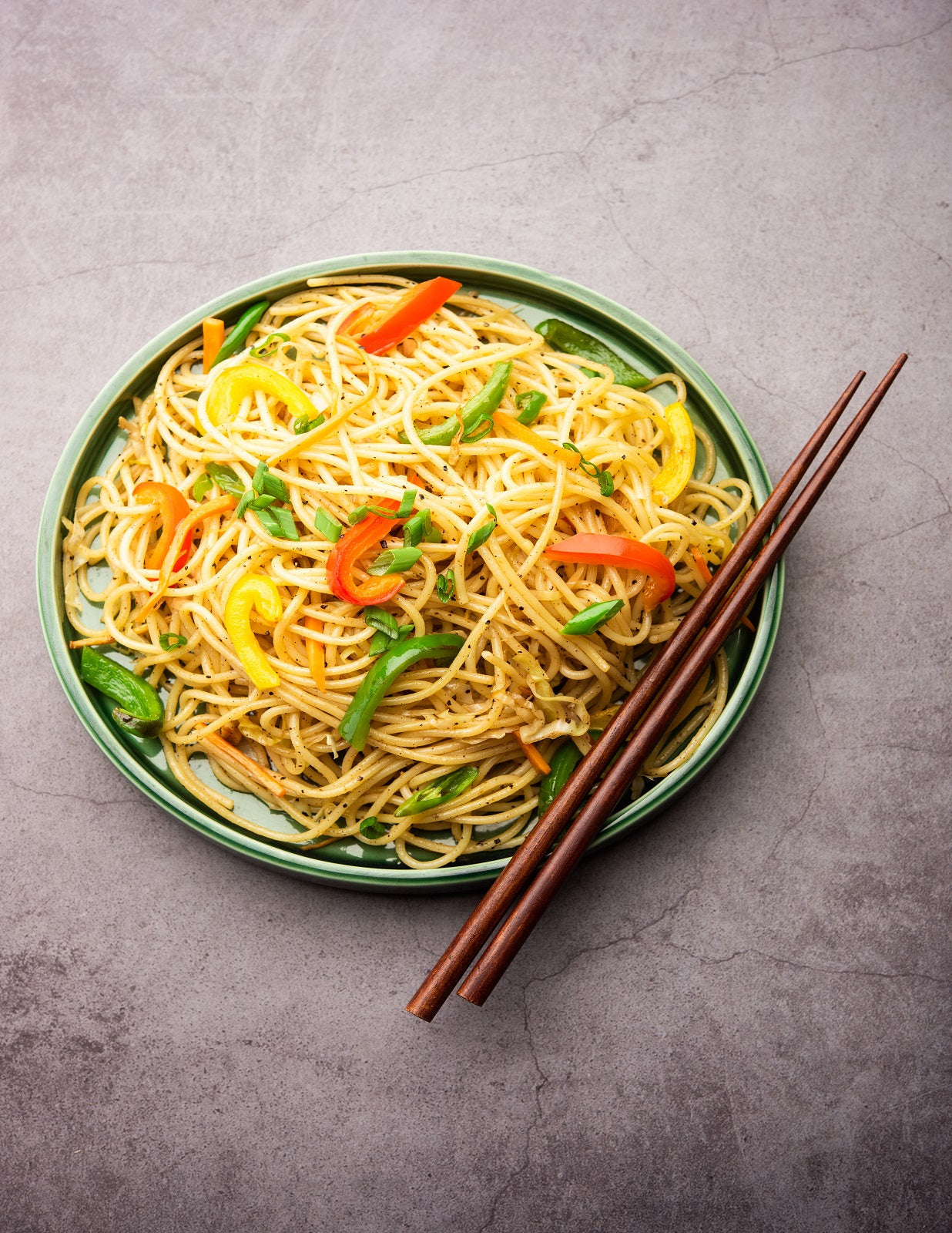
Maida - refined white flour - is everywhere. It’s in your biscuits, namkeen, noodles, bread, and almost every packaged snack on the shelf. It’s cheap, it’s tasty, and it’s doing your body no favours.
Here’s the truth about maida that most snack brands don’t want you to think about.
Maida is wheat flour that has been heavily processed and refined. During milling, the bran and germ - the two most nutritious parts of the wheat grain - are stripped away. What’s left is a fine white powder that is essentially empty calories: high in simple carbohydrates, low in fibre, and devoid of meaningful nutrients.
To make it look more appealing, maida is often bleached with chemicals like benzoyl peroxide or alloxan. Yes, the same substance used in labs to induce diabetes in test animals.
When we started Nutrispoon, we made one non-negotiable decision: no maida. Ever.
Not because it was easy - millet-based formulations are harder to develop, more expensive to produce, and take longer to perfect. But because we genuinely believe that snacks should nourish, not harm.
Here’s how millet compares to maida:
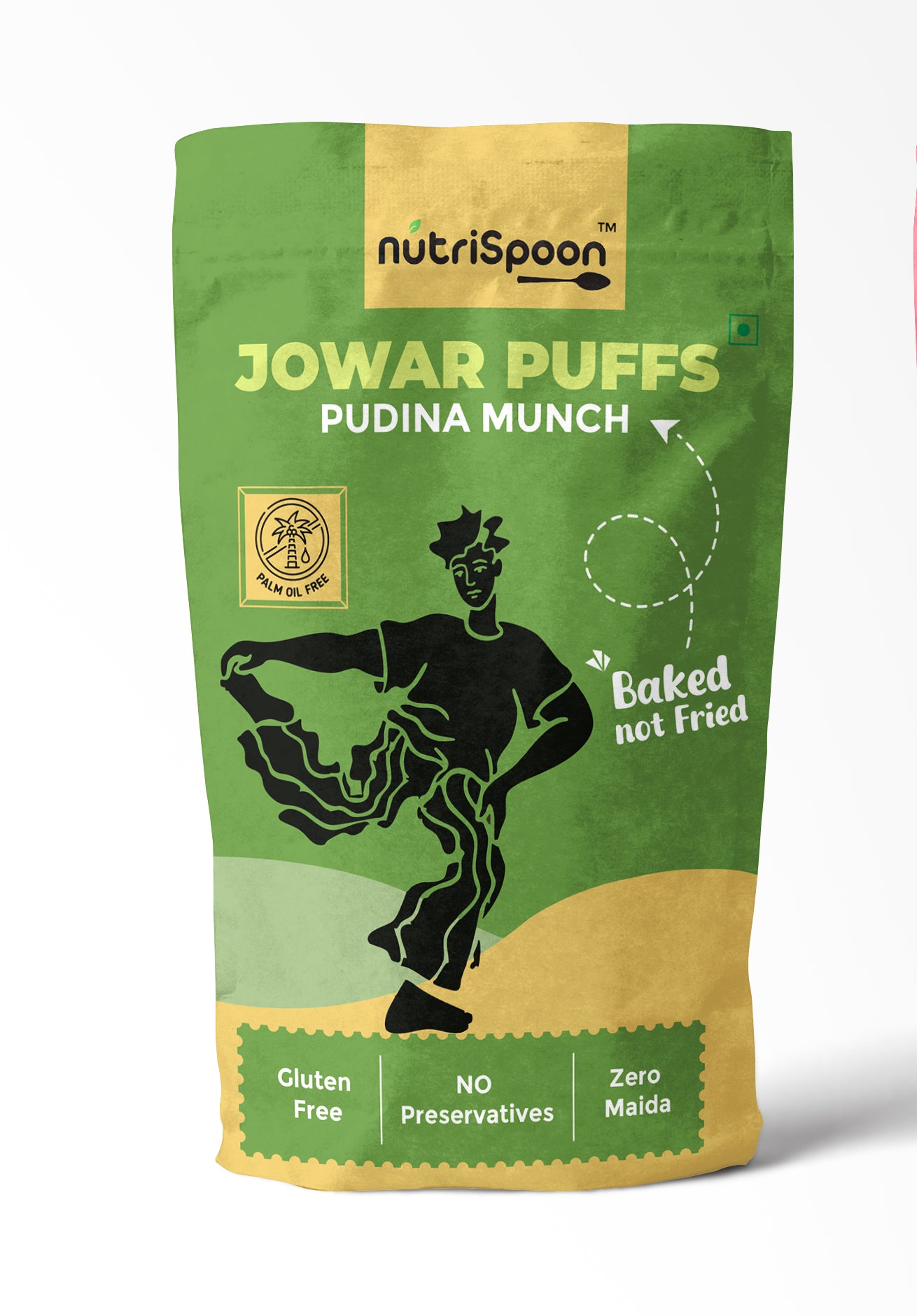
Every snack we make - from our jowar puffs and ragi chips to our millet noodles and pancake mixes - is built on a simple promise: real ingredients, real nutrition, real taste.
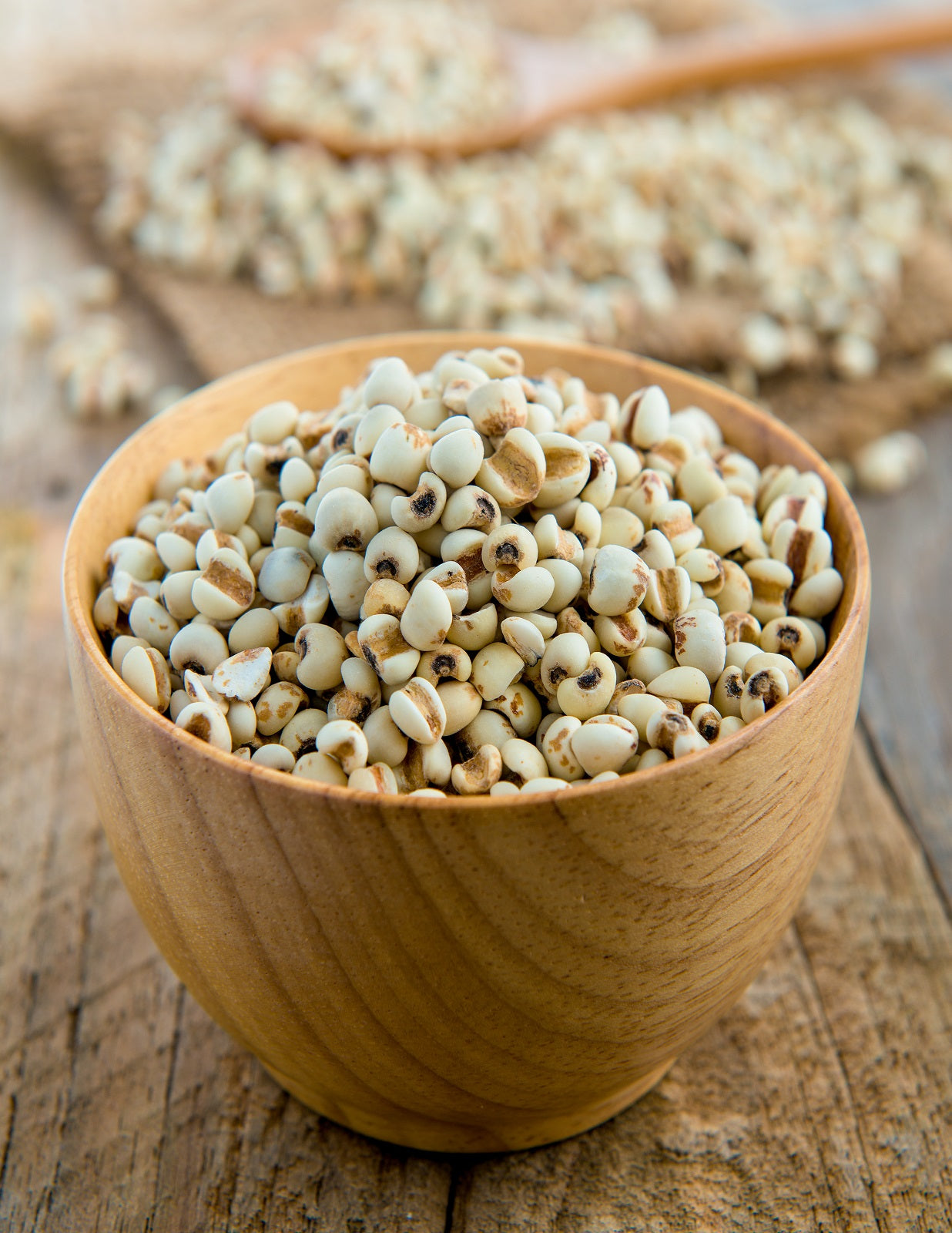
We use jowar (sorghum), ragi (finger millet), bajra (pearl millet), quinoa, and oats - ancient grains that have sustained Indian families for generations and are now backed by modern nutritional science.
You don’t have to overhaul your entire diet overnight. Start small:
Each small swap adds up. And once you taste the difference - crunchy, flavourful, satisfying - you’ll wonder why you ever settled for maida.
Maida is a product of industrial food processing that prioritises shelf life and profit over your health. Millet is a whole grain that has nourished humanity for millennia.
At Nutrispoon, the choice was easy. We hope you’ll make it too.